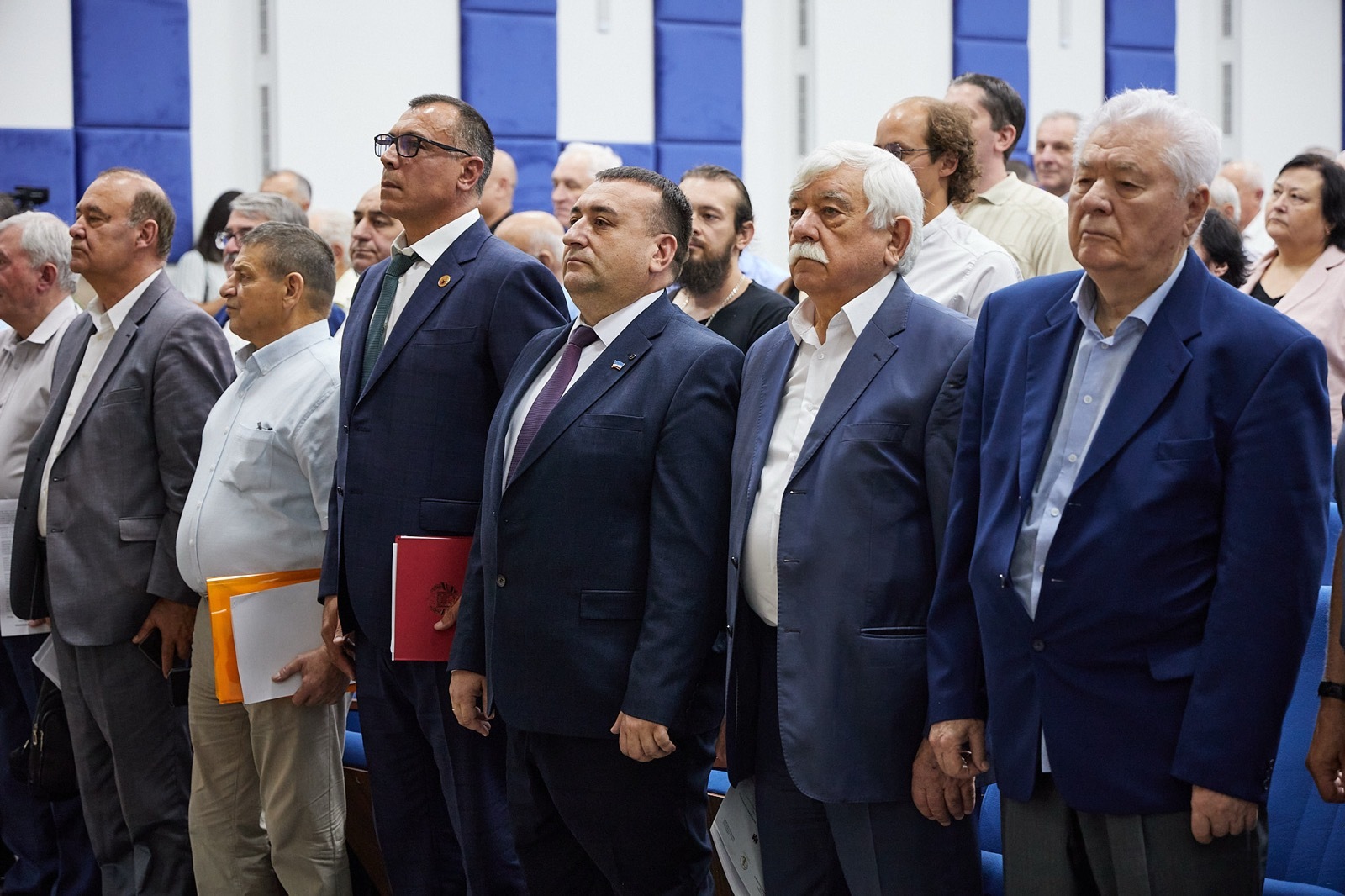
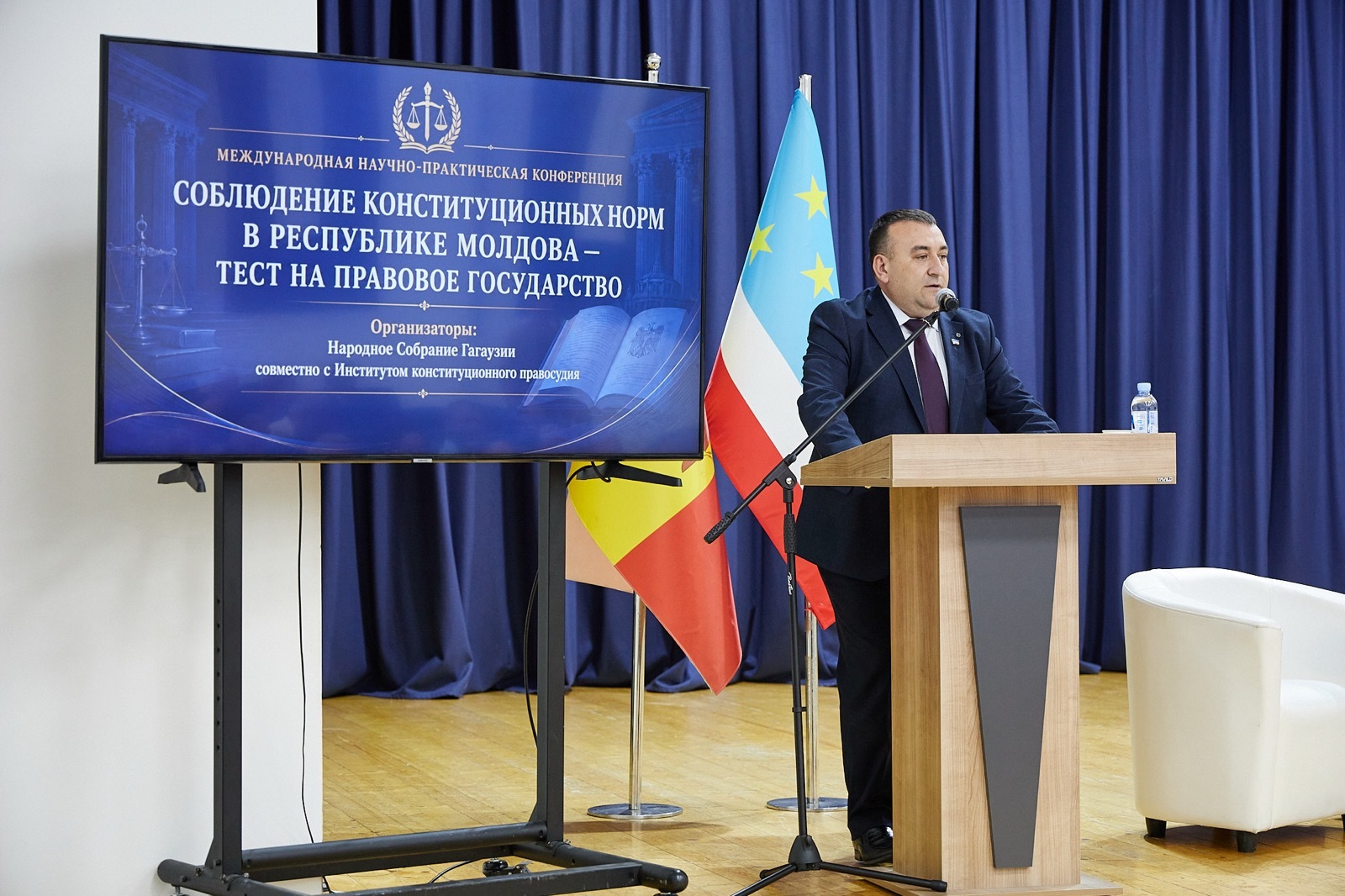
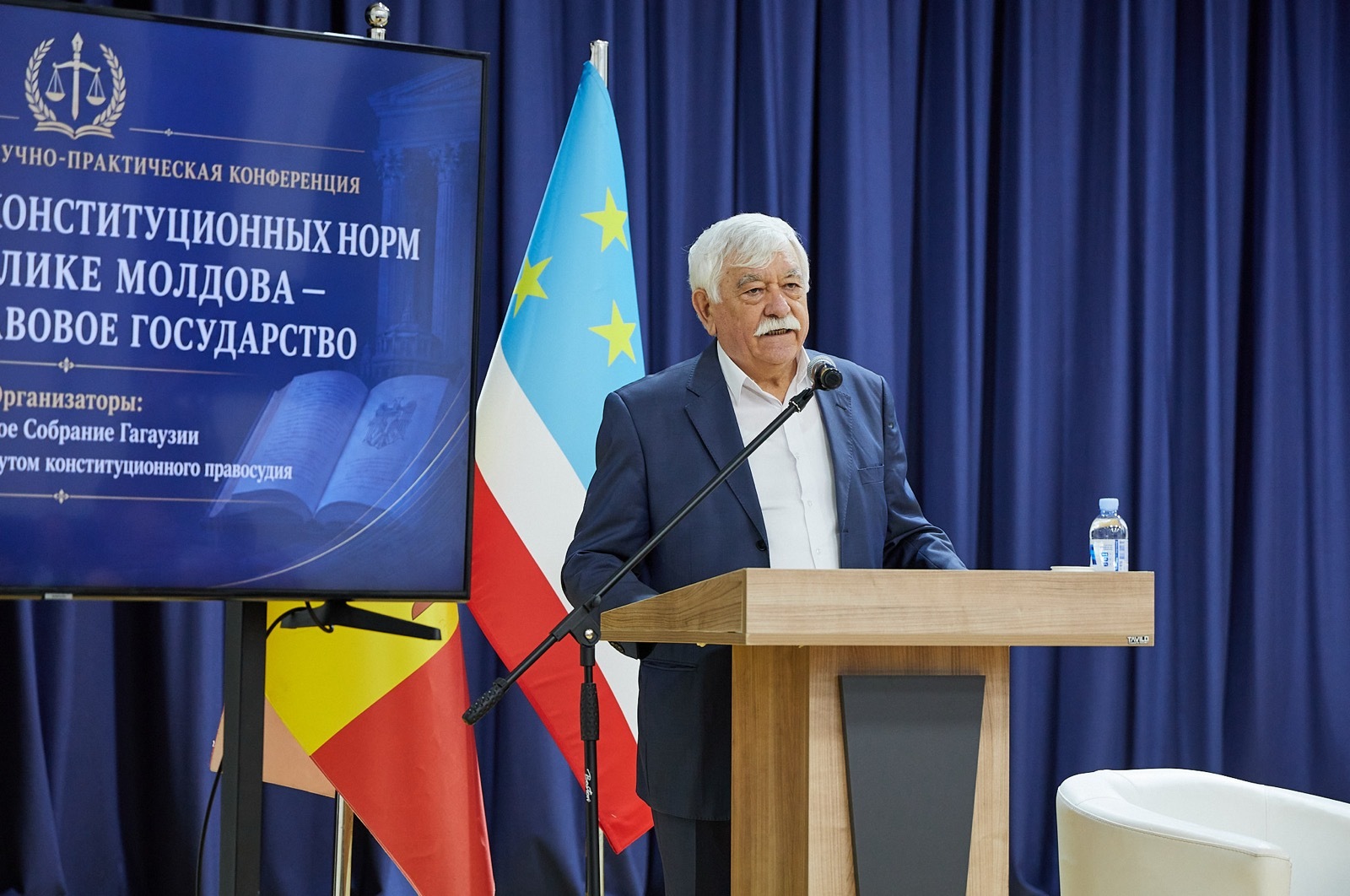
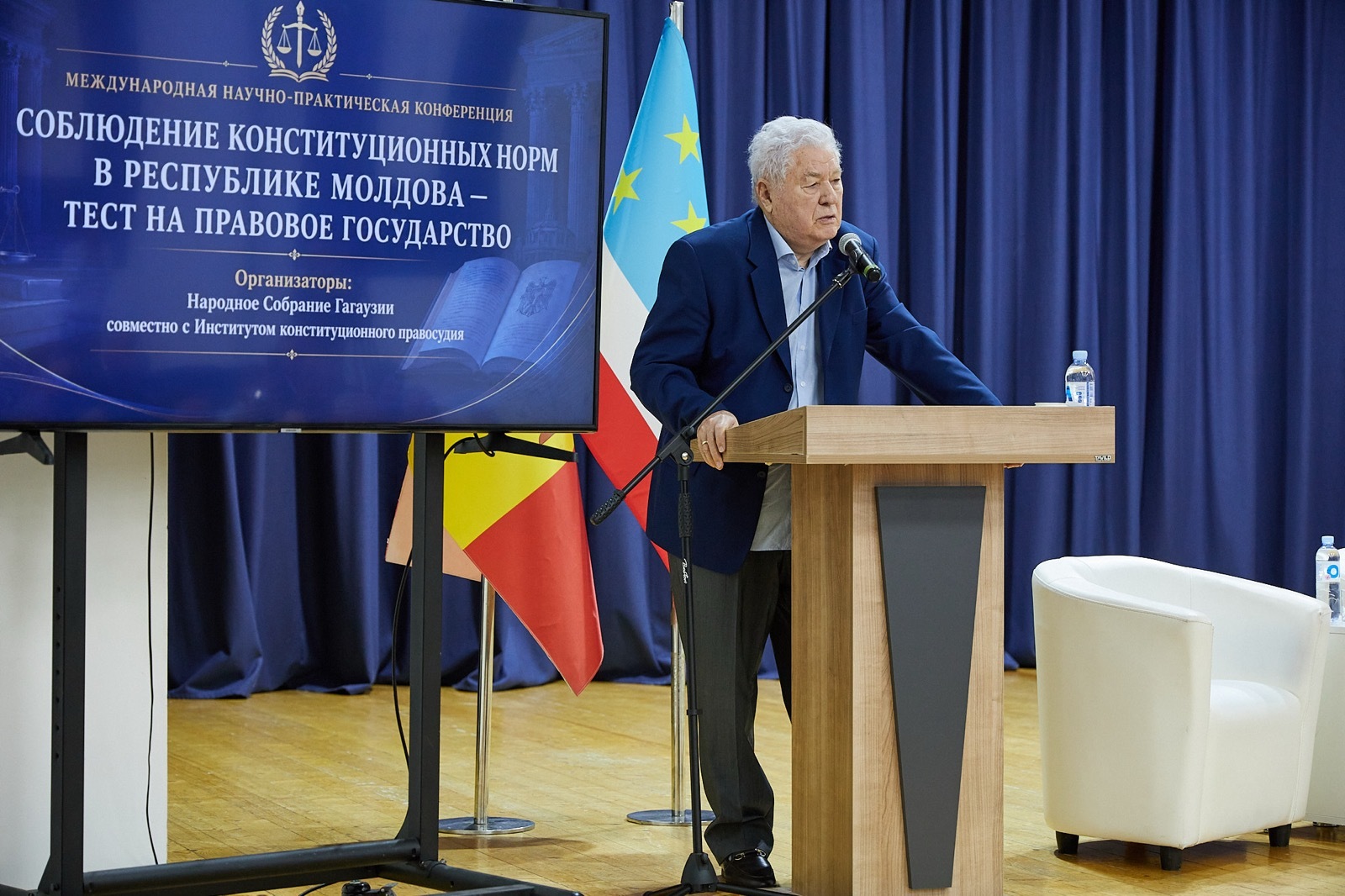
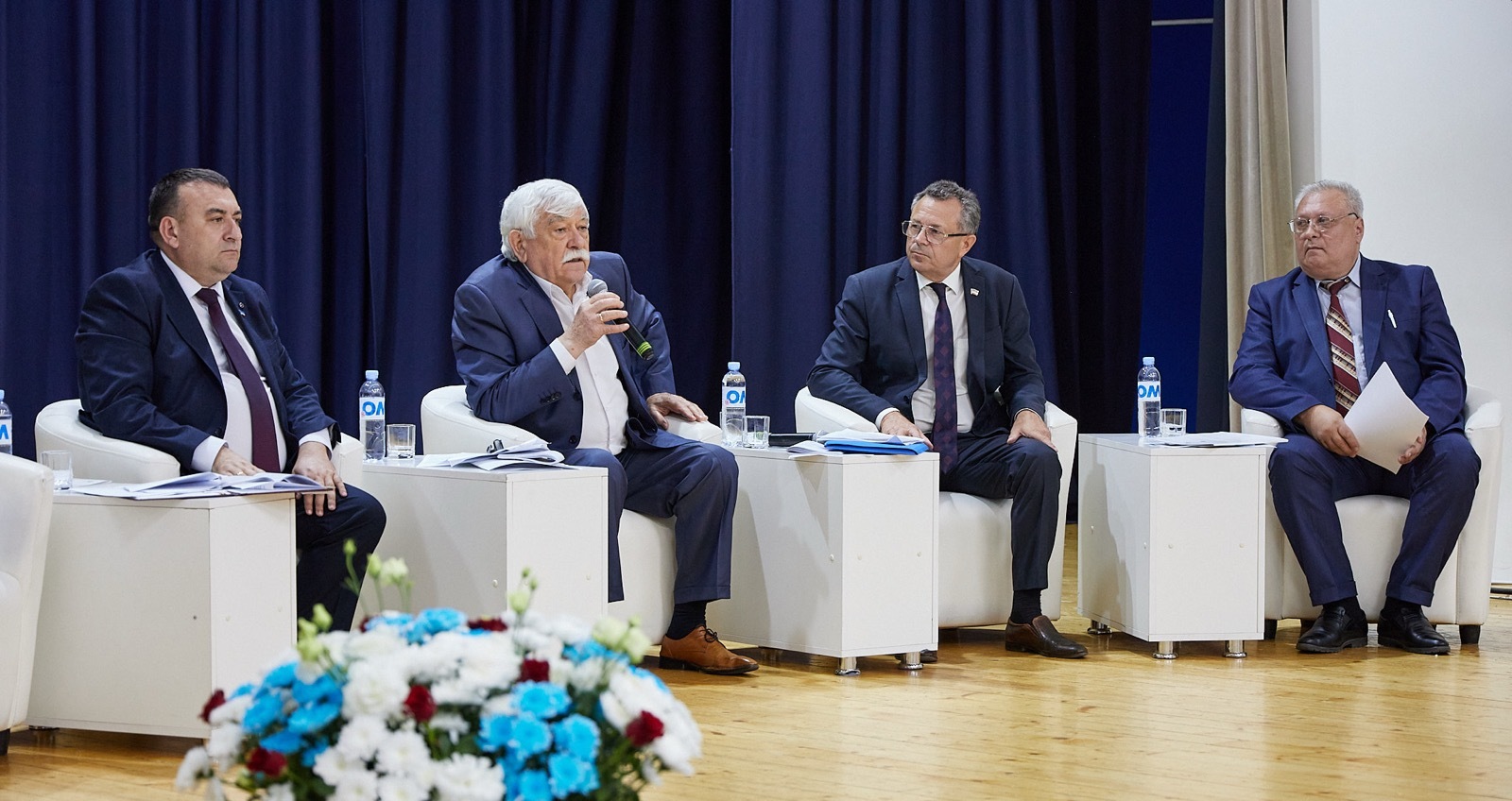
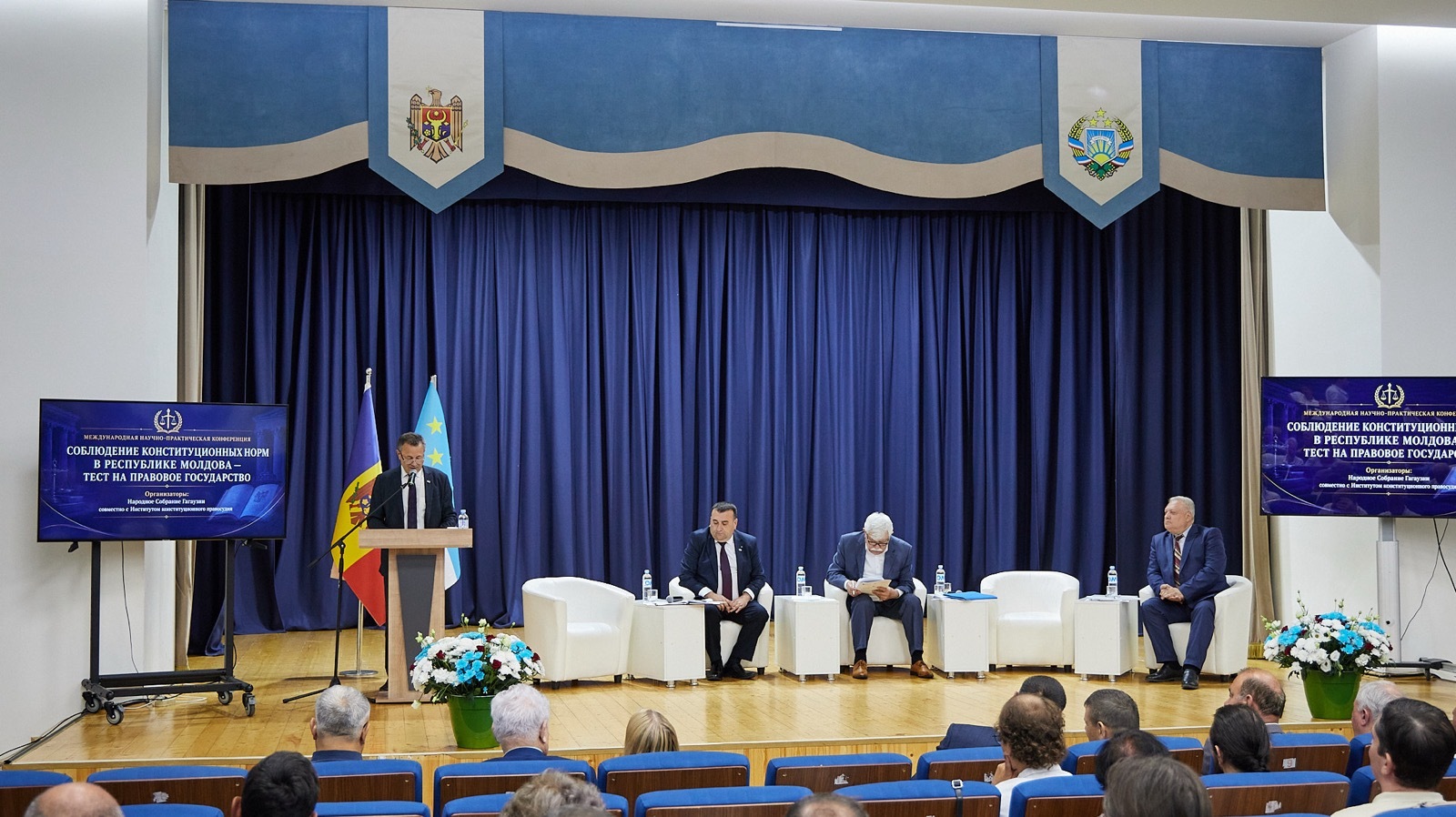
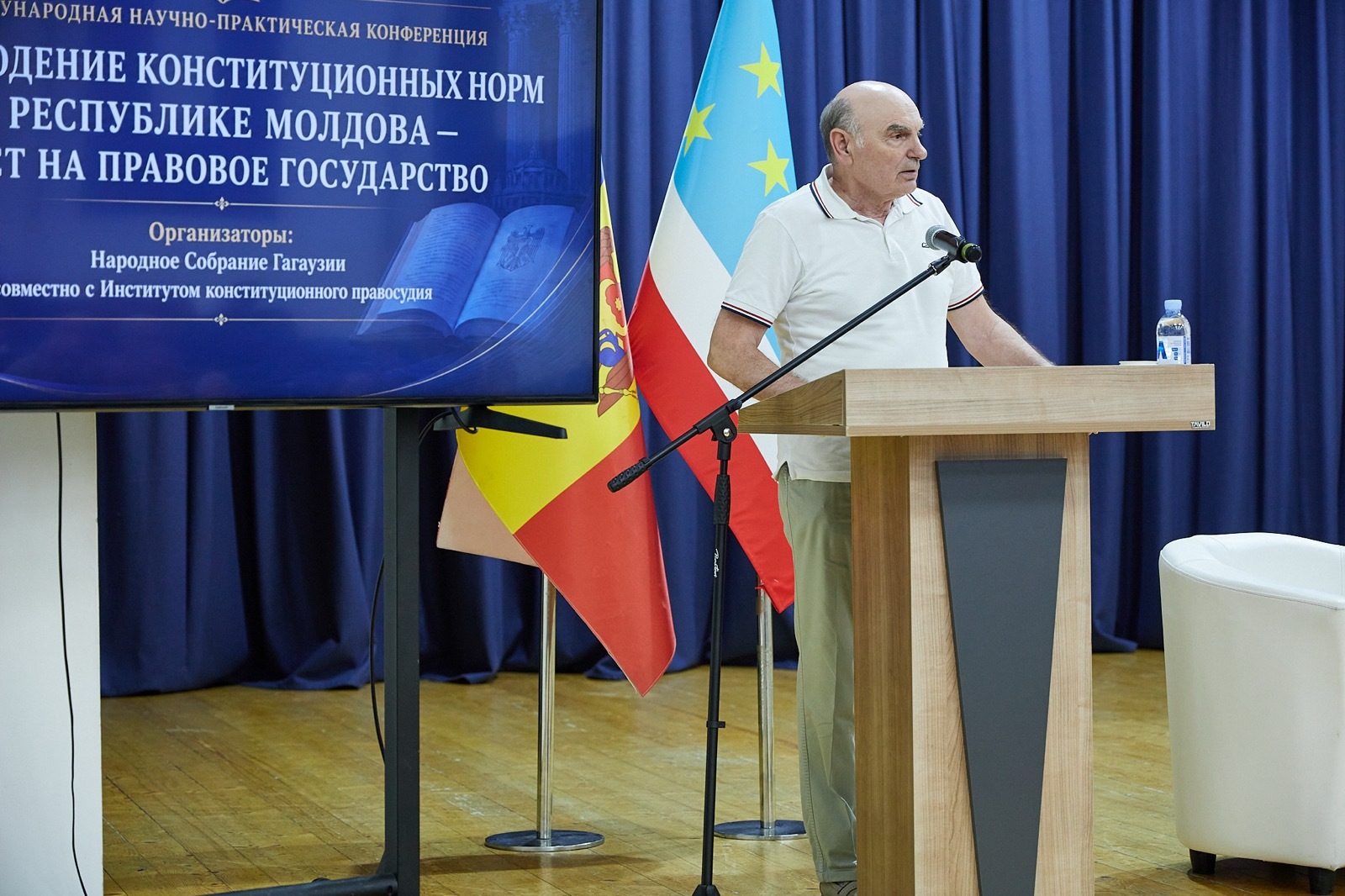
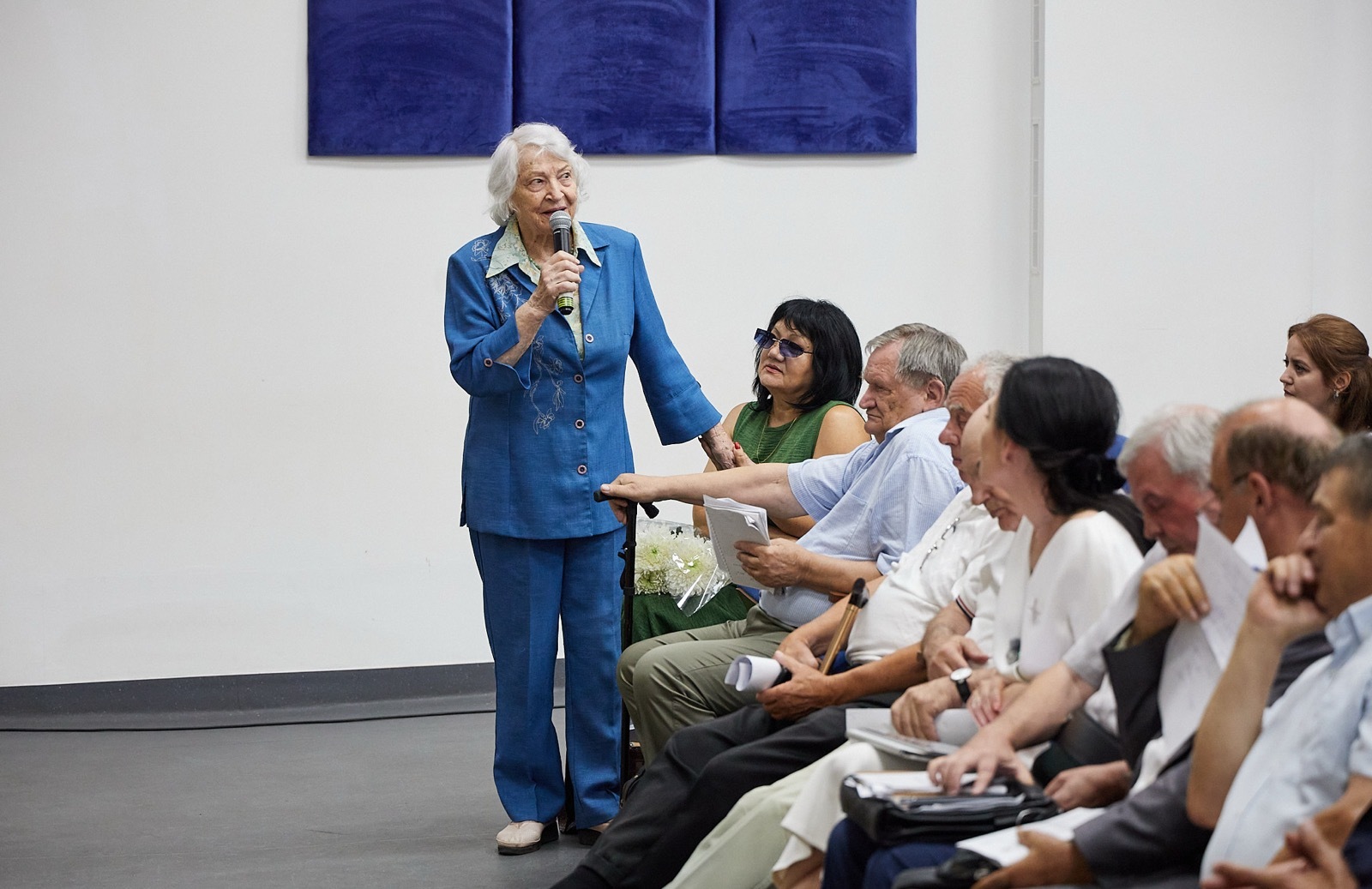
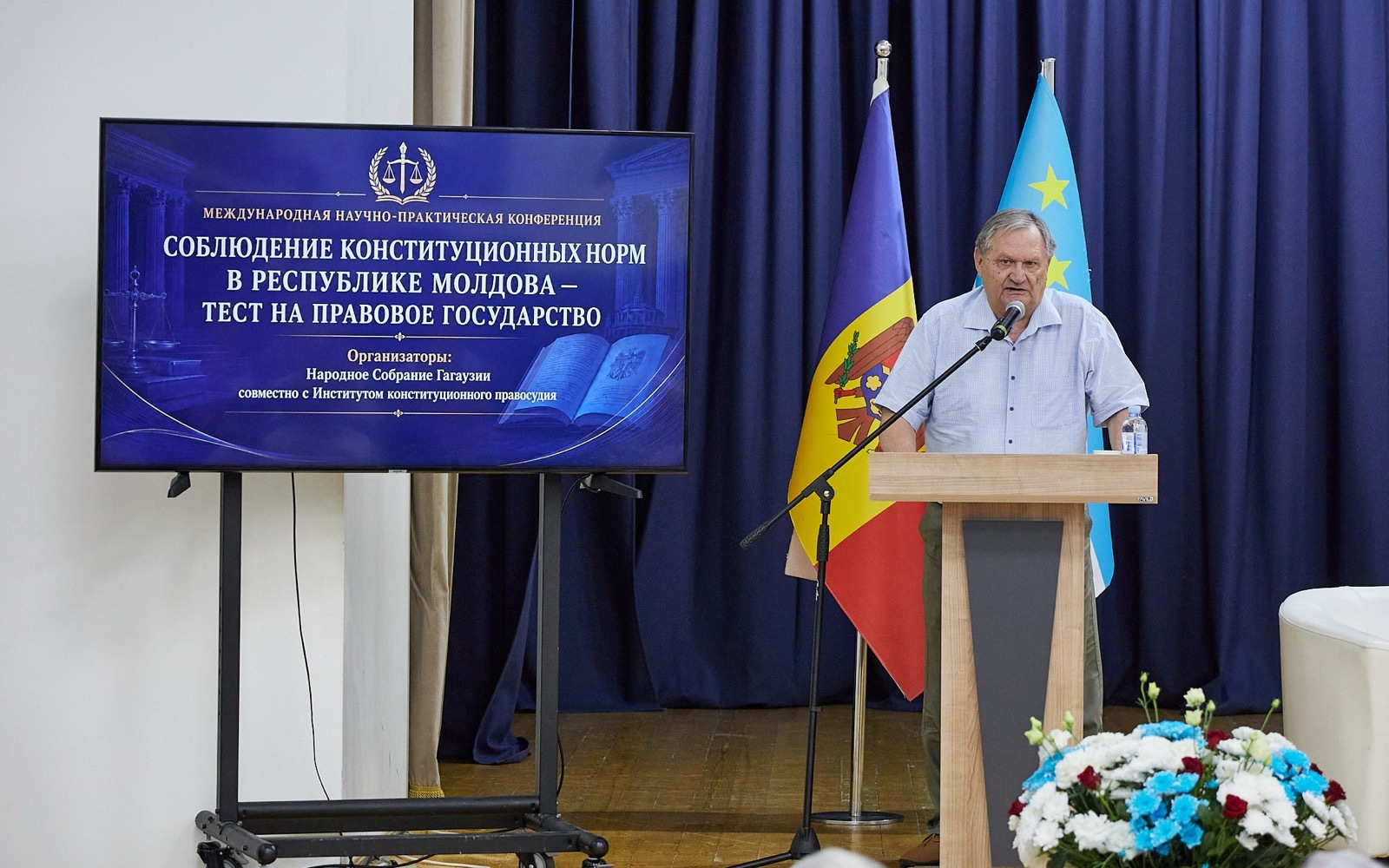
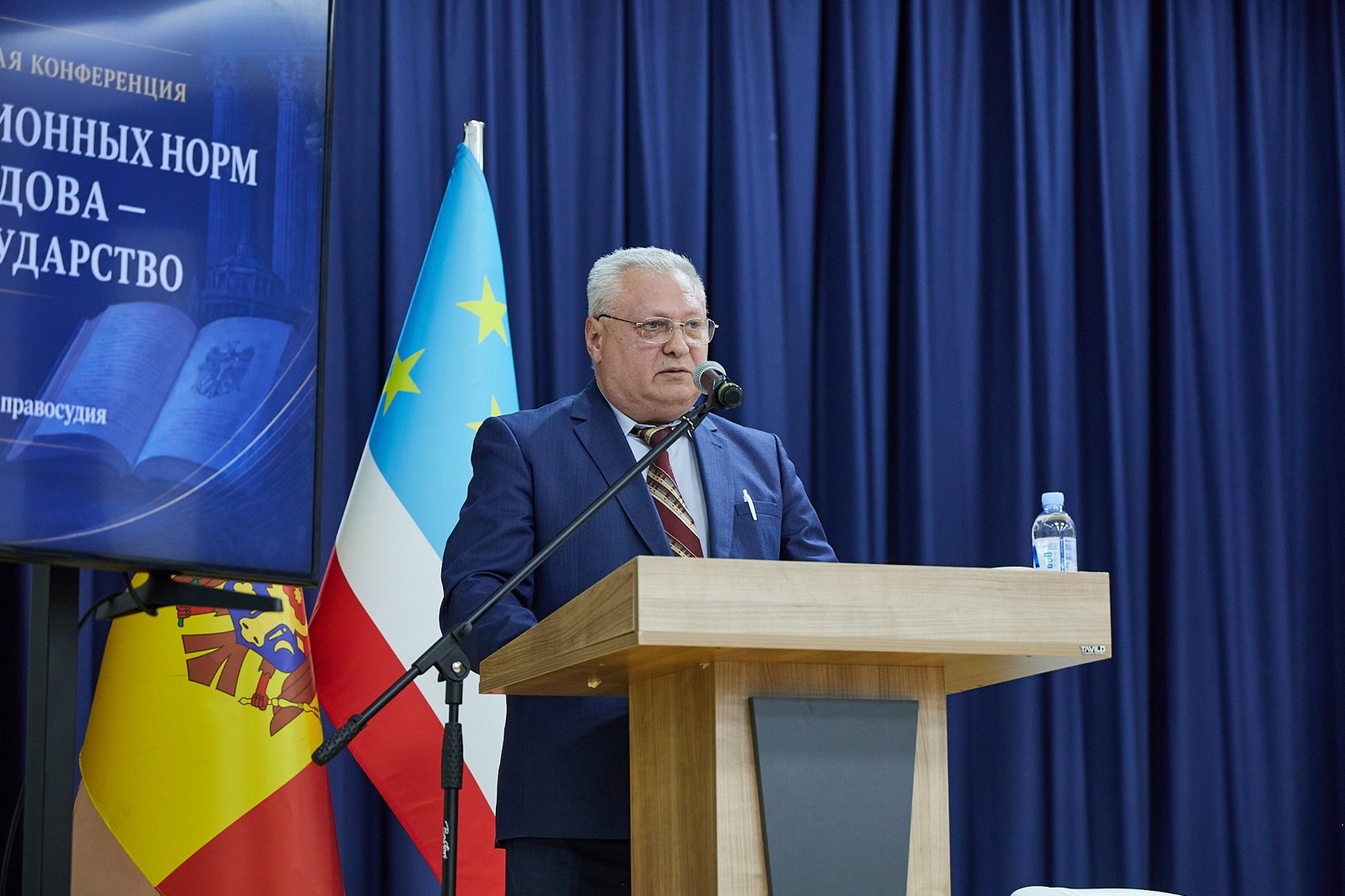
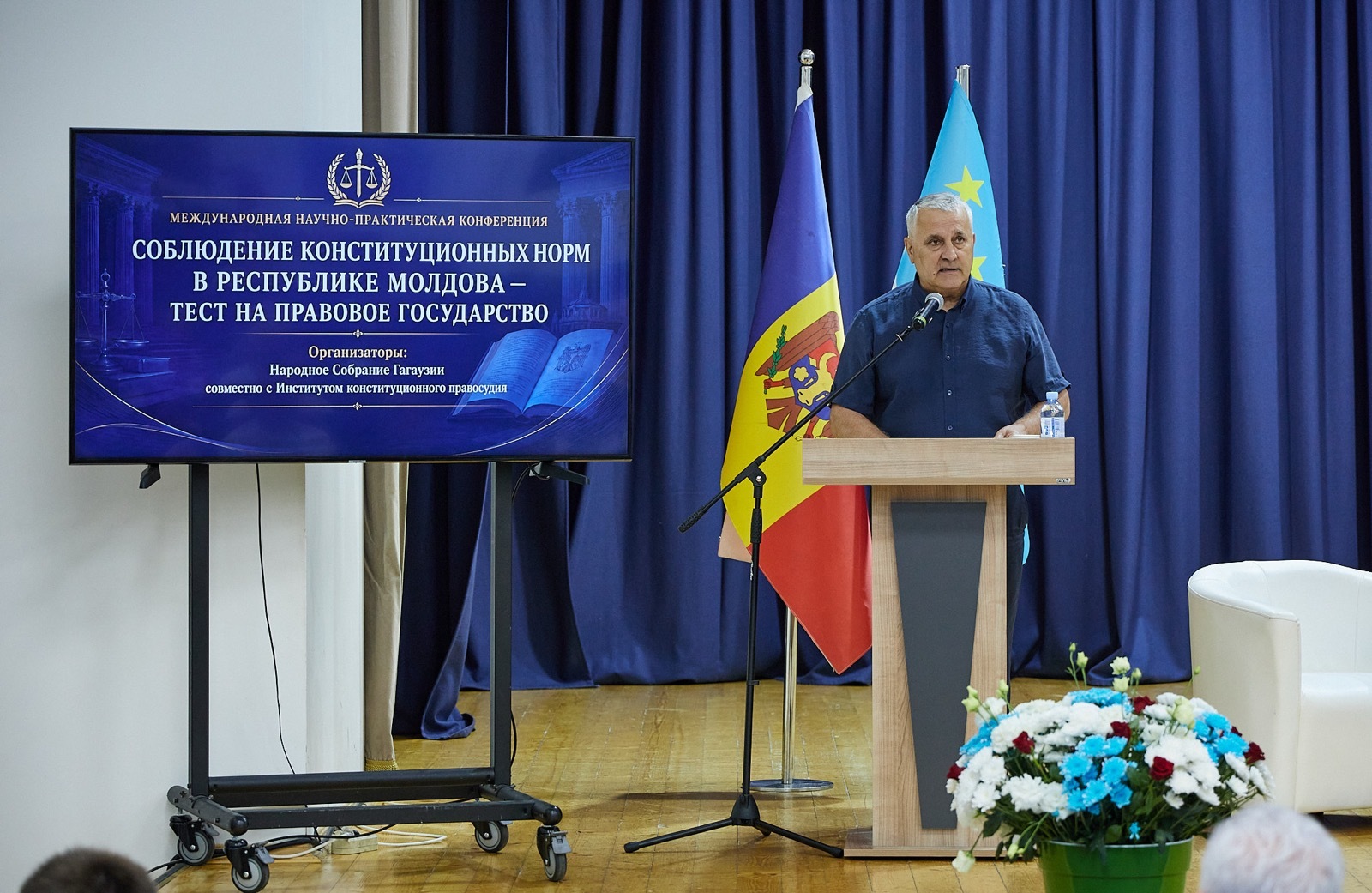
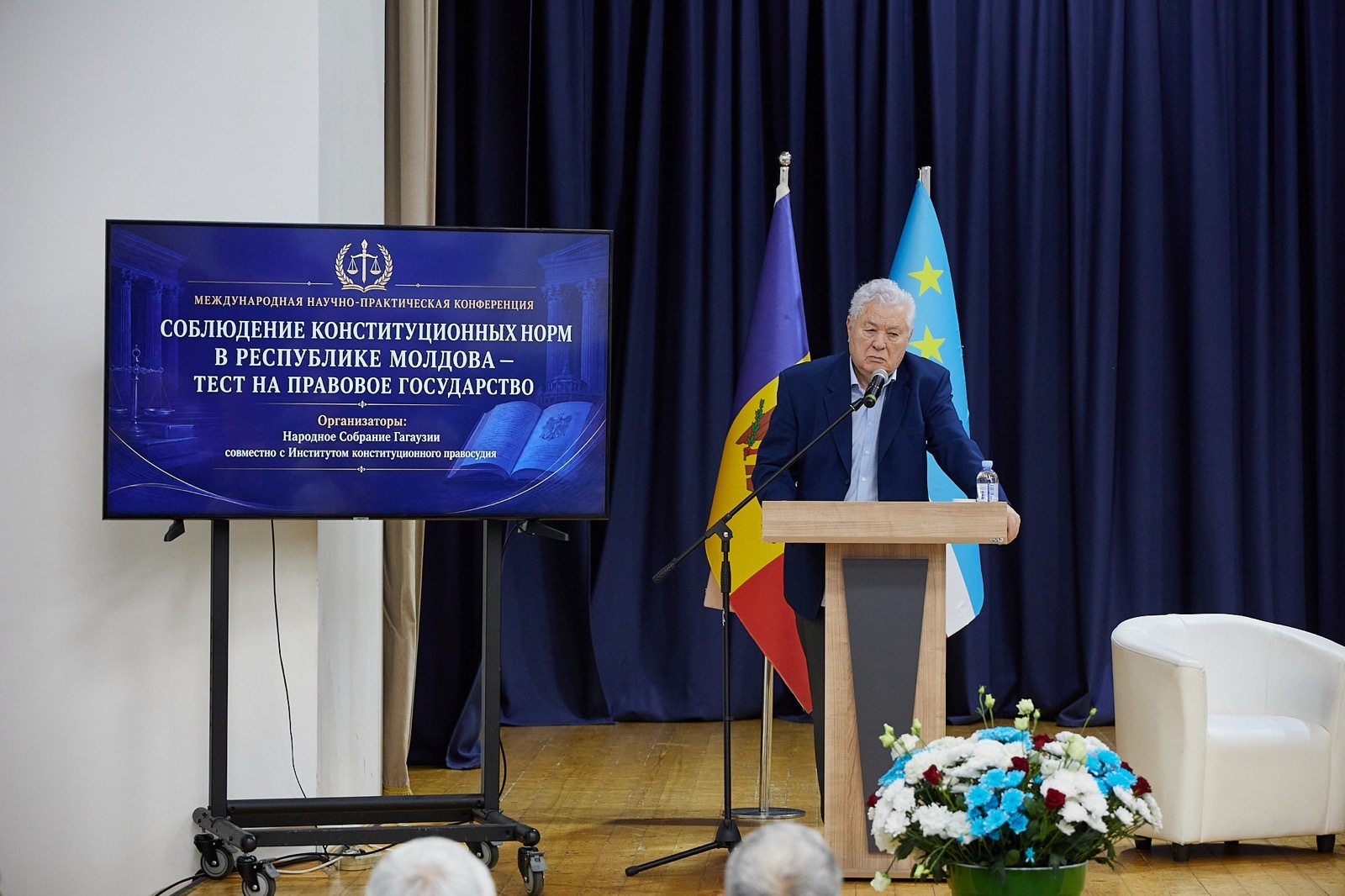
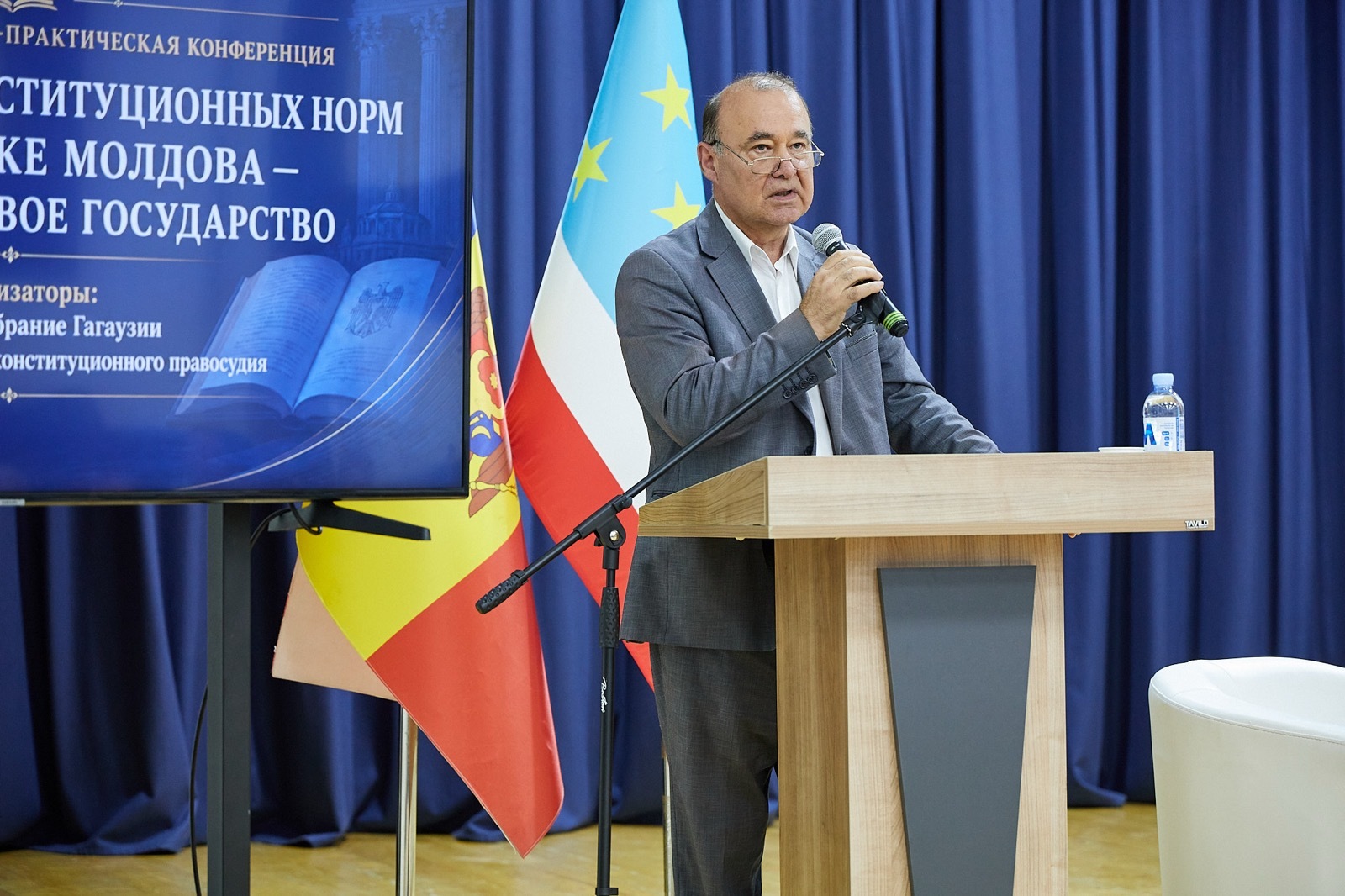
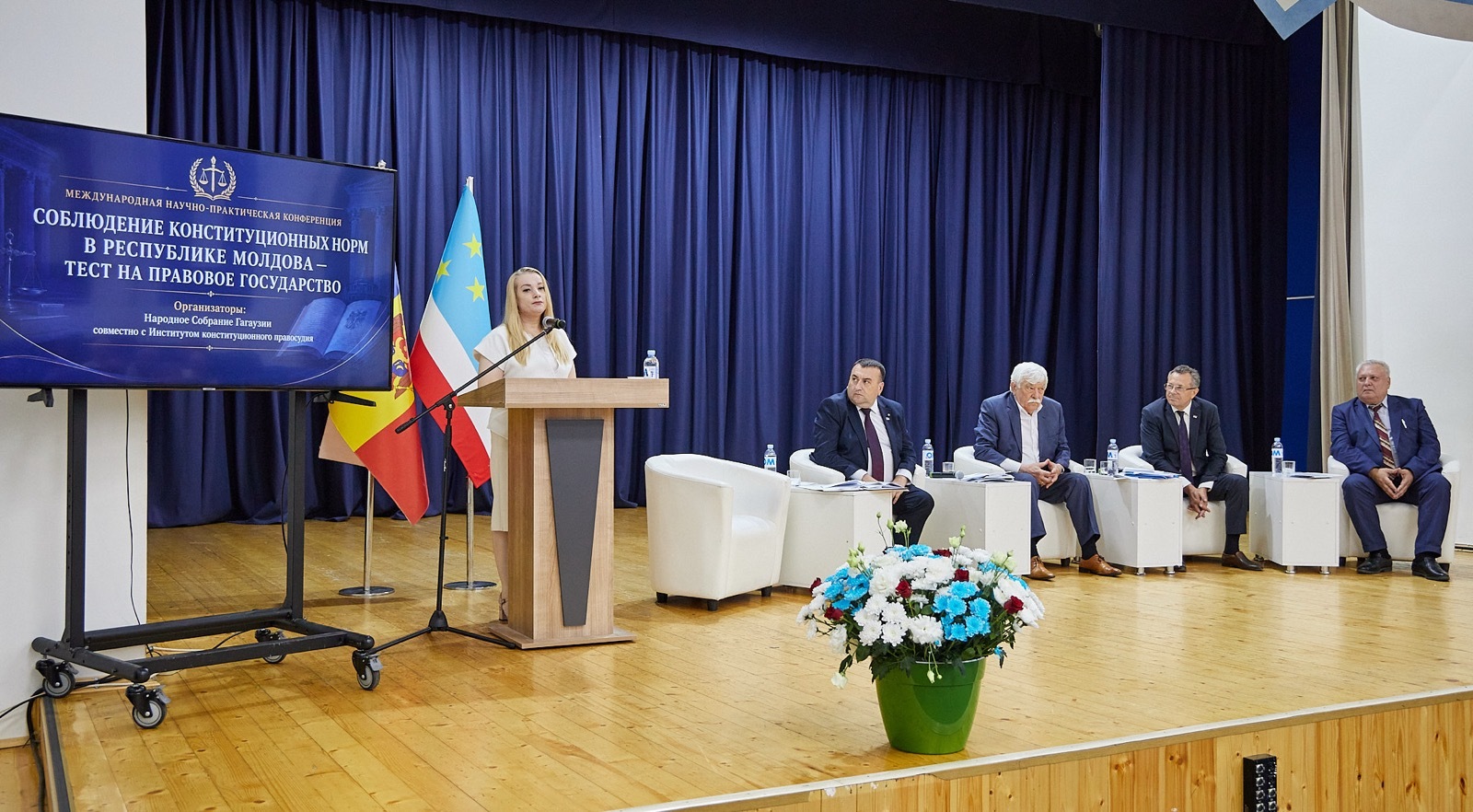
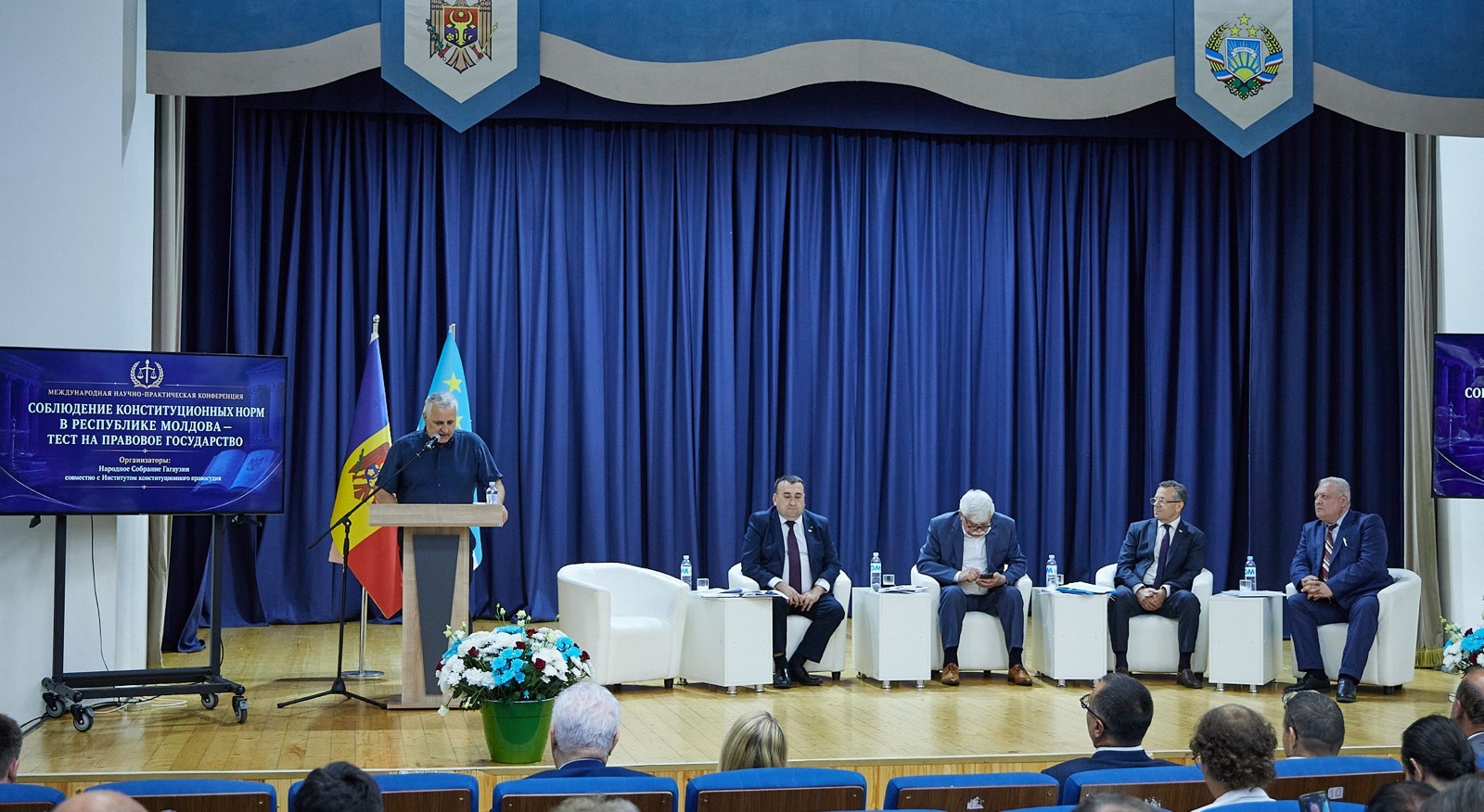
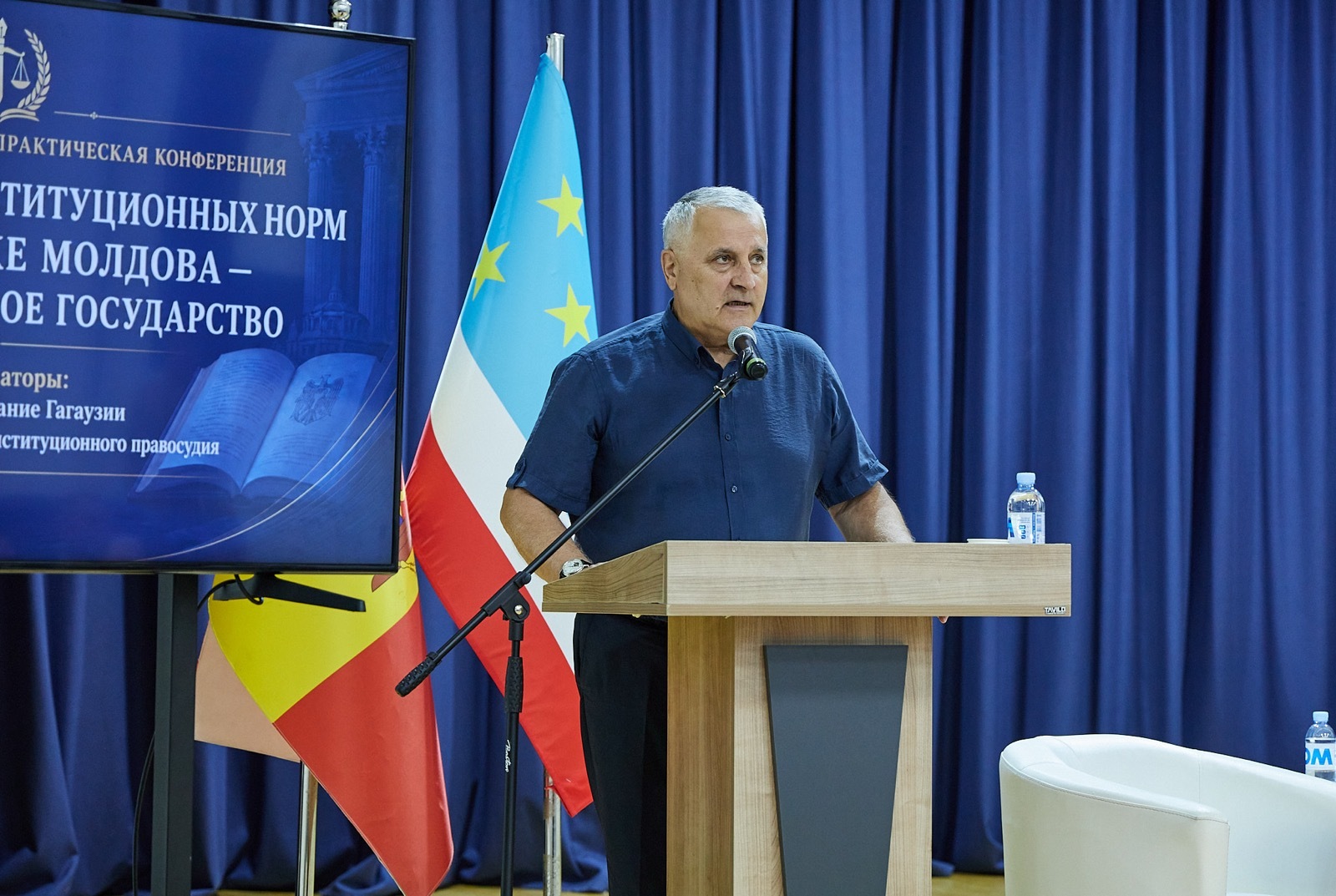
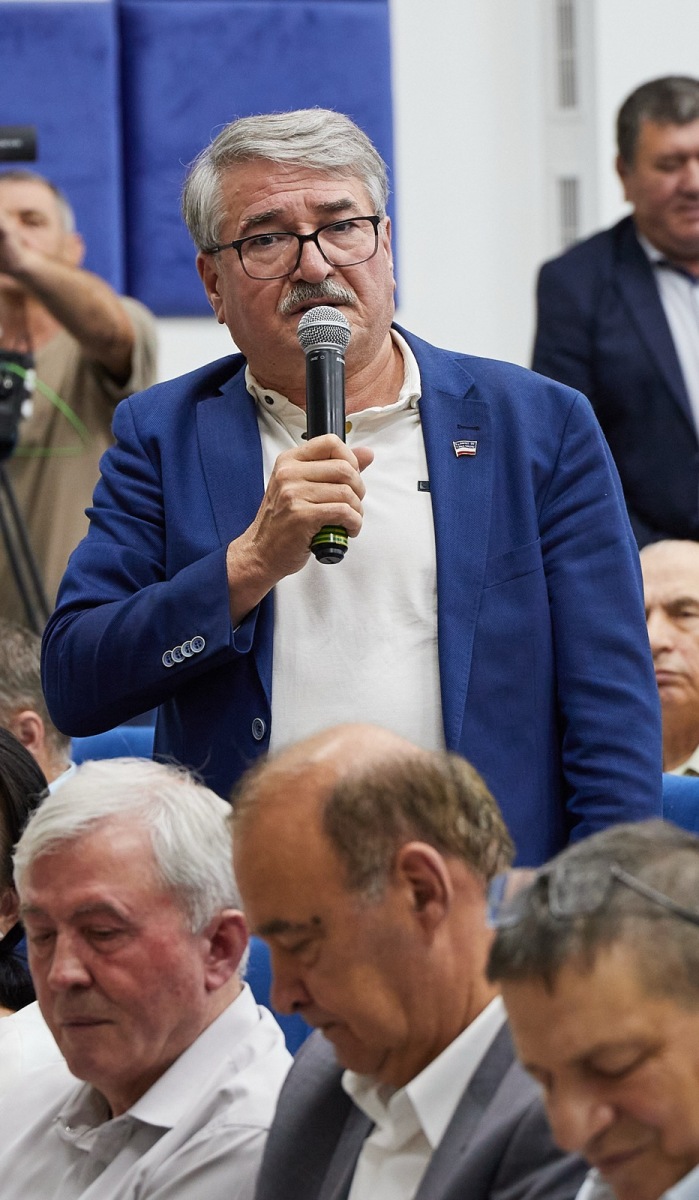
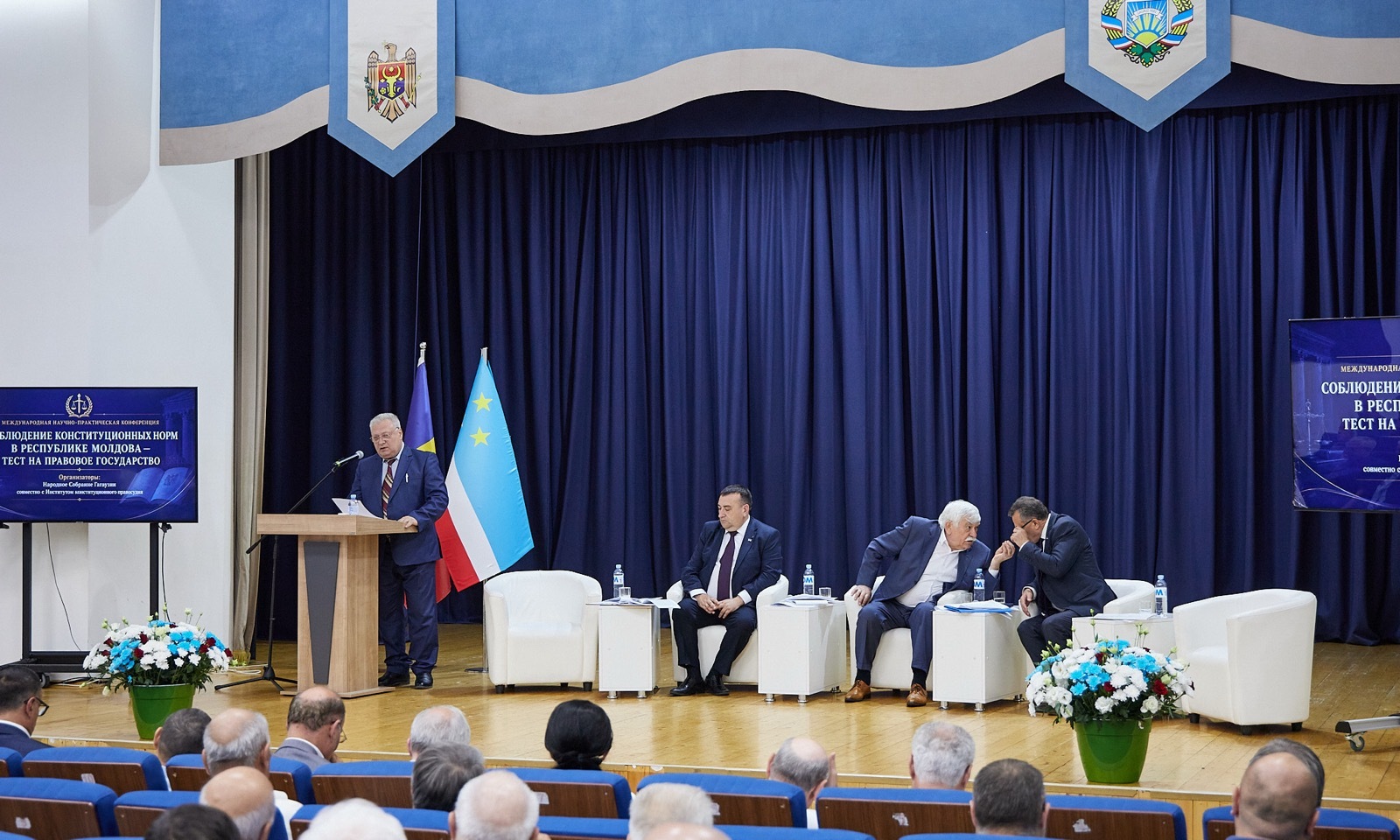
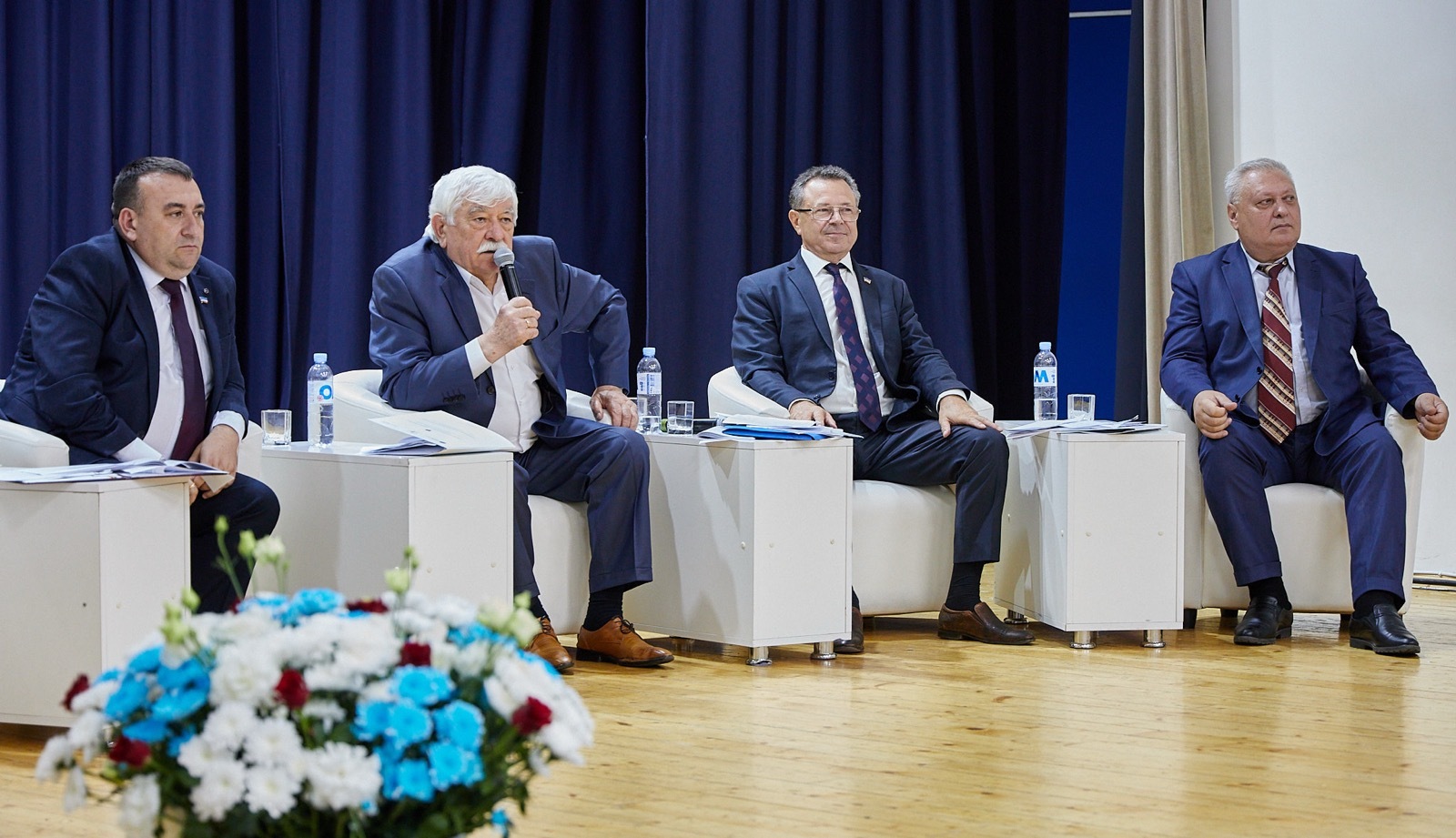
Мероприятие объединило видных представителей политической, юридической и академической сфер из Республики Молдова и из-за рубежа, предоставив площадку для диалога и анализа вопросов соблюдения конституционных принципов, функционирования правового государства и будущего правового статуса Автономно-территориального образования Гагаузия.
Среди участников были:
- Владимир Воронин, президент Республики Молдова с самым продолжительным сроком полномочий;
- Ион Кику, бывший премьер-министр Республики Молдова, депутат Парламента Республики Молдова и председатель оппозиционной политической партии;
- Дмитрий Пулбере, председатель Конституционного суда Республики Молдова с самым продолжительным сроком полномочий и бывший судья Конституционного суда;
- Александр Муравский, бывший вице-премьер-министр Республики Молдова;
- Виктор Степанюк, бывший депутат Парламента Республики Молдова четырёх созывов и бывший вице-премьер-министр;
- Диана Караман, депутат Парламента Республики Молдова и председатель политической партии;
- Георгий Лейчу, бывший прокурор АТО Гагаузия, депутат и заместитель председателя НСГ;
- депутаты Народного Собрания Гагаузии;
- члены и руководство Исполнительного комитета Гагаузии;
- юристы с профессиональным стажем более 30 лет;
- доктора права, специализирующиеся в области конституционного права, преподаватели вузов, представители академического сообщества, неправительственных организаций и эксперты в области конституционного права из Республики Молдова и других государств.
Работу конференции возглавил Валентин Гайдаржи, Председатель Народного Собрания Гагаузии и вице-председатель Политической партии PACE.
Центральной темой конференции стал анализ постановления Конституционного суда Республики Молдова от 9 июля 2026 года, касающегося правового статуса Автономно-территориального образования Гагаузия, а также его последствий для конституционного порядка, правового государства и взаимоотношений между центральными органами публичной власти и гагаузской автономией.
В ходе дискуссий были рассмотрены юридические и конституционные последствия постановления Конституционного суда.
Участники представили мнения и аргументы с конституционной, исторической и институциональной точек зрения относительно влияния данного решения на функционирование гагаузской автономии и конституционный баланс в Республике Молдова.
В своём выступлении Владимир Воронин подверг критике превращение Конституционного суда в инструмент политической конфронтации с Гагаузской автономией.
Он заявил, что во время его президентских сроков, несмотря на существовавшие разногласия между Кишинёвом и Комратом, эти разногласия разрешались путём политического и институционального диалога, без использования Конституционного суда в политических целях.
Вместе с тем он выразил мнение, что изменение фундаментальных элементов, касающихся устройства государства и статуса автономии, должно осуществляться только по воле народа, выраженной на референдуме, либо конституционным большинством в Парламенте.
Дмитрий Пулбере выразил озабоченность тем, каким образом, по его мнению, Конституционный суд переосмыслил конституционные нормы в рассматриваемом деле. Он отметил, что подобные постановления могут подорвать доверие граждан к независимости конституционного правосудия и вызвать серьёзные дискуссии в юридическом и академическом сообществе.
Пётр Пашалы, первый Председатель Народного Собрания Гагаузии, доктор исторических наук, выразил обеспокоенность тем, что это спорное решение Конституционного суда является крайне опасным и представляет собой ещё один шаг к разрушению не только Гагаузской автономии, но и гагаузского народа.
Он обратился с призывом к международным институтам, в особенности к европейским, к которым Молдова стремится интегрироваться, подчеркнув, что в Республике Молдова не сохраняются и не оберегаются этносы, культуры и малые народы, такие как гагаузский, а напротив — они подвергаются жестокому уничтожению с грубыми нарушениями законов и соглашений, подписанных всеми сторонами 30 лет назад.
Конституция и Конституционный суд, которые должны гарантировать права автономии и гагаузского народа, сегодня, по его мнению, используются в качестве инструментов для их подрыва.
В своём выступлении Валентин Гайдаржи подтвердил готовность властей Комрата к открытому, конструктивному и институциональному диалогу с центральными органами власти Республики Молдова.
Он подчеркнул, что следующим естественным этапом после постановления Конституционного суда должна стать разработка необходимых законодательных изменений на основе реальных консультаций, взаимного уважения и соблюдения конституционных принципов.
По словам Валентина Гайдаржи, власти Гагаузии готовы проявить гибкость и найти разумные компромиссы по ряду обсуждаемых вопросов, однако другие аспекты требуют более глубоких консультаций и сбалансированного подхода со стороны всех вовлечённых сторон.
Он выразил убеждённость в том, что только путём диалога и институционального сотрудничества можно укрепить единство Республики Молдова, гарантировать права гагаузского населения и сохранить статус автономии, который он охарактеризовал как одну из фундаментальных конституционных ценностей государства.
Участники подчеркнули необходимость строгого соблюдения Конституции Республики Молдова, реальной независимости конституционного правосудия, разделения властей и диалога между центральными органами публичной власти и гагаузской автономией, оценив их как важнейшие условия укрепления правового государства и демократии.
По итогам конференции участники приняли резолюцию, которая будет обнародована и направлена Парламенту Республики Молдова, Президенту, Правительству, Центральной избирательной комиссии, Конституционному суду, дипломатическому корпусу, аккредитованному в Республике Молдова, институтам Европейского союза, министрам иностранных дел государств — членов Европейского союза, Совету Европы, Венецианской комиссии, Организации по безопасности и сотрудничеству в Европе (ОБСЕ), а также другим компетентным международным организациям и институтам.
По информации организаторов, Резолюция обобщает выводы и рекомендации, сформулированные в ходе конференции, и направлена на информирование национальных властей и международных партнёров об обеспокоенности участников относительно соблюдения Конституции Республики Молдова, функционирования правового государства, независимости конституционного правосудия и необходимости подлинного институционального диалога между центральными властями и гагаузской автономией.
Участники подтвердили, что соблюдение Конституции, обеспечение независимости государственных институтов, защита местной автономии и политический диалог являются фундаментальными условиями укрепления демократии, поддержания внутренней стабильности и продолжения европейского пути Республики Молдова в соответствии с европейскими ценностями и стандартами.
La Comrat s-a desfășurat Conferința Științifico-Practică Internațională „Respectarea normelor constituționale în Republica Moldova: testul statului de drept”
La 25 iulie 2026, în municipiul Comrat, a avut loc Conferința Științifico-Practică Internațională cu genericul „Respectarea normelor constituționale în Republica Moldova: testul statului de drept”, organizată de Adunarea Populară a Găgăuziei, în parteneriat cu Institutul de Justiție Constituțională.
Evenimentul a reunit personalități marcante din domeniul politic, juridic și academic din Republica Moldova și din străinătate, oferind o platformă de dialog și analiză privind respectarea principiilor constituționale, funcționarea statului de drept și viitorul statutului juridic al Unității Territoriale Autonome Găgăuzia.
Printre participanți s-au numărat:
- Vladimir Voronin, cel mai longeviv Președinte al Republicii Moldova;
- Ion Chicu, fost Prim-ministru al Republicii Moldova, deputat în Parlamentul Republicii Moldova și președinte al unui partid politic de opoziție;
- Dumitru Pulbere, cel mai longeviv Președinte al Curții Constituționale a Republicii Moldova și fost judecător al Curții Constituționale;
- Alexandru Muravschi, fost Viceprim-ministru al Republicii Moldova;
- Victor Stepaniuc, fost deputat în patru legislaturi ale Parlamentului Republicii Moldova și fost Viceprim-ministru;
- Diana Caraman, deputat în Parlamentul Republicii Moldova și președinte al unui partid politic;
- Gheorghe Leiciu, fost Procuror al Autonomiei Găgăuze, deputat și vicepreședinte al Adunării Populare a Găgăuziei;
- deputați ai Adunării Populare a Găgăuziei;
- membri și conducerea Comitetului Executiv al Găgăuziei;
- juriști cu o experiență profesională de peste 30 de ani;
- doctori în drept constituțional, cadre universitare, membri ai comunității academice, reprezentanți ai organizațiilor neguvernamentale și experți în drept constituțional din Republica Moldova și din alte state.
Lucrările conferinței au fost prezidate de Valentin Gaidarji, Președintele Adunării Populare a Găgăuziei și vicepreședinte al Partidului Politic PACE.
Tema centrală a conferinței a constituit-o analiza Hotărârii Curții Constituționale a Republicii Moldova din 9 iulie 2026, referitoare la statutul juridic al Unității Territoriale Autonome Găgăuzia și implicațiile acesteia asupra ordinii constituționale, statului de drept și raporturilor dintre autoritățile publice centrale și autonomia găgăuză.
În cadrul dezbaterilor au fost analizate efectele juridice și constituționale ale hotărârii Curții Constituționale, fiind prezentate opinii și argumente din perspectivă constituțională, istorică și instituțională privind impactul acesteia asupra funcționării autonomiei găgăuze și asupra echilibrului constituțional din Republica Moldova.
În intervenția sa, dl Vladimir Voronin a criticat transformarea Curții Constituționale într-un instrument de confruntare politică cu Autonomia Găgăuză.
Acesta a declarat că, în perioada mandatelor sale prezidențiale, deși au existat divergențe între Chișinău și Comrat, acestea au fost soluționate prin dialog politic și instituțional, fără utilizarea Curții Constituționale în scopuri politice. Totodată, el și-a exprimat opinia că modificarea unor elemente fundamentale privind organizarea statului și statutul autonomiei ar trebui realizată doar prin voința poporului, exprimată prin referendum, sau printr-o majoritate constituțională în Parlament.
Dl Dumitru Pulbere și-a exprimat îngrijorarea față de modul în care, în opinia sa, Curtea Constituțională a reinterpretat normele constituționale în cauza examinată. Acesta a apreciat că astfel de hotărâri riscă să afecteze încrederea cetățenilor în independența justiției constituționale și să genereze dezbateri serioase în rândul comunității juridice și academice.
Piotr Pașalî, primul Președinte al Adunării Populare a Găgăuziei, doctor în științe istorice, și-a exprimat îngrijorarea că această decizie controversată a Curții Constituționale este extrem de periculoasă și reprezintă încă un pas spre distrugerea nu doar a Autonomiei Găgăuze, ci și a poporului găgăuz.
El a făcut apel către instituțiile internaționale, în special către cele europene, unde Moldova tinde să se integreze, subliniind că în Republica Moldova nu se păstrează și nu se conservă etniile, culturile și popoarele mici, precum cel găgăuz, ci se distrug brutal, cu grave încălcări ale legilor și acordurilor semnate de toate părțile acum 30 de ani.
Constituția și Curtea Constituțională, care ar trebui să garanteze drepturile autonomiei și ale găgăuzilor, sunt folosite astăzi, în opinia sa, ca instrumente pentru a le submina.
În discursul său, dl Valentin Gaidarji a reafirmat disponibilitatea autorităților din Comrat pentru un dialog deschis, constructiv și instituțional cu autoritățile centrale ale Republicii Moldova. El a subliniat că următoarea etapă firească după hotărârea Curții Constituționale este elaborarea modificărilor legislative necesare prin consultări reale, respect reciproc și respectarea principiilor constituționale.
Potrivit lui Valentin Gaidarji, autoritățile din Găgăuzia sunt dispuse să manifeste flexibilitate și să identifice compromisuri rezonabile asupra unor subiecte aflate în discuție, însă alte aspecte necesită consultări aprofundate și o abordare echilibrată din partea tuturor actorilor implicați.
Acesta și-a exprimat convingerea că doar prin dialog și cooperare instituțională poate fi consolidată unitatea Republicii Moldova, garantate drepturile populației găgăuze și păstrat statutul autonomiei, pe care l-a descris drept una dintre valorile constituționale fundamentale ale statului.
Participanții au evidențiat necesitatea respectării stricte a Constituției Republicii Moldova, a independenței reale a justiției constituționale, a separației puterilor în stat și a dialogului dintre autoritățile publice centrale și autonomia găgăuză, apreciind că acestea reprezintă condiții esențiale pentru consolidarea statului de drept și a democrației.
La finalul conferinței, participanții au adoptat o Rezoluție, care va fi făcută publică și transmisă Parlamentului Republicii Moldova, Președinției, Guvernului, Comisiei Electorale Centrale, Curții Constituționale, corpului diplomatic acreditat în Republica Moldova, instituțiilor Uniunii Europene, miniștrilor afacerilor externe ai statelor membre ale Uniunii Europene, Consiliului Europei, Comisiei de la Veneția, Organizației pentru Securitate și Cooperare în Europa (OSCE), precum și altor organizații și instituții internaționale competente.
Potrivit organizatorilor, Rezoluția sintetizează concluziile și recomandările formulate în cadrul conferinței și urmărește informarea autorităților naționale și a partenerilor internaționali asupra preocupărilor exprimate de participanți privind respectarea Constituției Republicii Moldova, funcționarea statului de drept, independența justiției constituționale și necesitatea unui dialog instituțional autentic între autoritățile centrale și autonomia găgăuză.
Participanții au reafirmat că respectarea Constituției, garantarea independenței instituțiilor statului, protejarea autonomiei locale și dialogul politic reprezintă condiții fundamentale pentru consolidarea democrației, menținerea stabilității interne și continuarea parcursului european al Republicii Moldova, în conformitate cu valorile și standardele europene.
International Scientific and Practical Conference “Respect for Constitutional Norms in the Republic of Moldova: The Test of the Rule of Law” Held in Comrat
On 25 July 2026, the International Scientific and Practical Conference entitled “Respect for Constitutional Norms in the Republic of Moldova: The Test of the Rule of Law” took place in the municipality of Comrat.
The event was organised by the People’s Assembly of Gagauzia in partnership with the Institute of Constitutional Justice.
The conference brought together prominent figures from the political, legal and academic spheres of the Republic of Moldova and from abroad, providing a platform for dialogue and analysis on the observance of constitutional principles, the functioning of the rule of law, and the future legal status of the Autonomous Territorial Unit of Gagauzia.
Among the participants were:
- Vladimir Voronin, the longest-serving President of the Republic of Moldova;
- Ion Chicu, former Prime Minister of the Republic of Moldova, Member of Parliament of the Republic of Moldova and leader of an opposition political party;
- Dumitru Pulbere, the longest-serving President of the Constitutional Court of the Republic of Moldova and former judge of the Constitutional Court;
- Alexandru Muravschi, former Deputy Prime Minister of the Republic of Moldova;
- Victor Stepaniuc, former Member of Parliament of the Republic of Moldova in four consecutive legislatures and former Deputy Prime Minister;
- Diana Caraman, Member of Parliament of the Republic of Moldova and leader of a political party;
- Gheorghe Leiciu, former Prosecutor of the Gagauz Autonomy, Member of the People’s Assembly and former Deputy Chair of the People’s Assembly of Gagauzia;
- Members of the People’s Assembly of Gagauzia;
- Members and leadership of the Executive Committee of Gagauzia;
- Lawyers with more than 30 years of professional experience;
- Doctors of constitutional law, university faculty members, representatives of the academic community, non-governmental organisations and experts in constitutional law from the Republic of Moldova and other countries.
The proceedings of the conference were chaired by Valentin Gaidarji, Chair of the People’s Assembly of Gagauzia and Deputy Chair of the Political Party PACE.
The central theme of the conference was the analysis of the Judgment of the Constitutional Court of the Republic of Moldova of 9 July 2026 concerning the legal status of the Autonomous Territorial Unit of Gagauzia and its implications for the constitutional order, the rule of law, and relations between the central public authorities and the Gagauz autonomy.
During the debates, the legal and constitutional effects of the Constitutional Court’s judgment were examined. Participants presented views and arguments from constitutional, historical and institutional perspectives regarding the impact of the judgment on the functioning of the Gagauz autonomy and on the constitutional balance within the Republic of Moldova.
In his address, Mr Vladimir Voronin criticised the transformation of the Constitutional Court into an instrument of political confrontation with the Gagauz Autonomy.
He stated that during his presidential terms, although differences existed between Chișinău and Comrat, they were resolved through political and institutional dialogue, without the Constitutional Court being used for political purposes. He further expressed the view that changes to fundamental elements concerning the organisation of the state and the status of the autonomy should be effected only by the will of the people expressed through a referendum, or by a constitutional majority in Parliament.
Mr Dumitru Pulbere expressed concern about the manner in which, in his view, the Constitutional Court had reinterpreted constitutional norms in the case under examination. He considered that such judgments risk undermining citizens’ confidence in the independence of constitutional justice and generating serious debate within the legal and academic communities.
Piotr Pașalî, the first Chair of the People’s Assembly of Gagauzia and Doctor of Historical Sciences, expressed his deep concern that this controversial decision of the Constitutional Court is extremely dangerous and represents yet another step towards the destruction not only of the Gagauz Autonomy but also of the Gagauz people.
He appealed to international institutions, particularly European ones, towards which Moldova aspires to integrate, emphasising that in the Republic of Moldova ethnic groups, cultures and small peoples such as the Gagauz are not preserved or protected, but are being brutally destroyed, with serious violations of the laws and agreements signed by all parties 30 years ago.
In his view, the Constitution and the Constitutional Court, which ought to guarantee the rights of the autonomy and of the Gagauz people, are today being used as instruments to undermine them.
In his speech, Mr Valentin Gaidarji reaffirmed the readiness of the authorities in Comrat for open, constructive and institutional dialogue with the central authorities of the Republic of Moldova. He stressed that the natural next step after the Constitutional Court’s judgment is the elaboration of the necessary legislative amendments through genuine consultations, mutual respect and adherence to constitutional principles.
According to Valentin Gaidarji, the authorities of Gagauzia are prepared to demonstrate flexibility and to identify reasonable compromises on certain issues under discussion; however, other matters require in-depth consultations and a balanced approach from all actors involved.
He expressed his conviction that only through dialogue and institutional cooperation can the unity of the Republic of Moldova be strengthened, the rights of the Gagauz population guaranteed, and the status of the autonomy preserved — a status he described as one of the fundamental constitutional values of the state.
Participants underlined the necessity of strict compliance with the Constitution of the Republic of Moldova, the real independence of constitutional justice, the separation of powers, and dialogue between the central public authorities and the Gagauz autonomy, regarding these as essential conditions for consolidating the rule of law and democracy.
At the conclusion of the conference, participants adopted a Resolution, which will be made public and transmitted to the Parliament of the Republic of Moldova, the Presidency, the Government, the Central Electoral Commission, the Constitutional Court, the diplomatic corps accredited in the Republic of Moldova, the institutions of the European Union, the Ministers of Foreign Affairs of the EU Member States, the Council of Europe, the Venice Commission, the Organization for Security and Co-operation in Europe (OSCE), as well as other competent international organisations and institutions.
According to the organisers, the Resolution summarises the conclusions and recommendations formulated during the conference and aims to inform the national authorities and international partners of the concerns expressed by participants regarding respect for the Constitution of the Republic of Moldova, the functioning of the rule of law, the independence of constitutional justice, and the need for genuine institutional dialogue between the central authorities and the Gagauz autonomy.
Participants reaffirmed that respect for the Constitution, the guarantee of the independence of state institutions, the protection of local autonomy and political dialogue constitute fundamental conditions for consolidating democracy, maintaining internal stability and continuing the European path of the Republic of Moldova in accordance with European values and standards.